
The Shift from Open Windows to Sealed Spaces
Kitchens used to breathe. Older homes had drafty windows, separate cooking rooms, and ventilation that happened almost by accident through gaps in construction nobody bothered to seal. Smoke and grease smells drifted out through cracks in the frame or got carried off by a cross breeze while dinner was still on the stove. Nobody thought about air quality because the house itself was doing some of that work without anyone noticing.
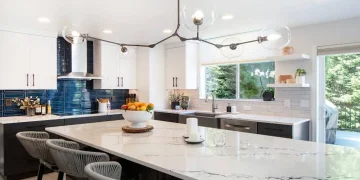
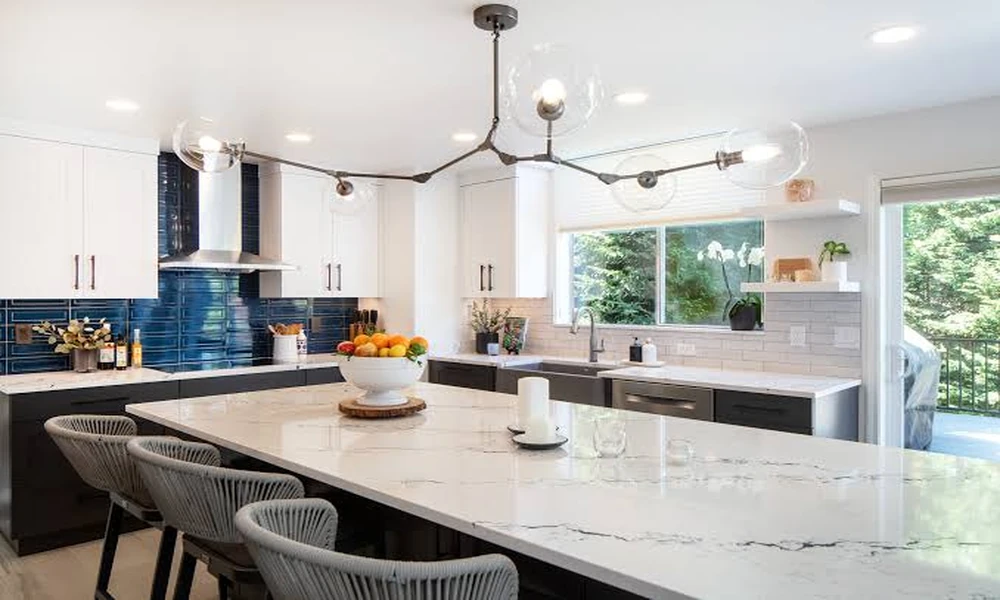
That arrangement changed as homes got tighter and floor plans got more open. Energy-efficient construction means less passive airflow, which is good for heating bills but bad for odor control. Open-concept layouts put the stove within a few feet of the living room, so whatever happens in a cast iron pan now travels straight into the space where people watch television or work from a laptop. The kitchen stopped being a closed-off workshop and became the emotional center of the house, which also means its smells have nowhere left to hide.
Cooking habits shifted too. Higher-heat methods, more frequent frying, and a wider range of pungent ingredients, think fish sauce, cumin, roasted garlic, have become standard rather than occasional experiments. Takeout culture faded in favor of people actually cooking more at home, partly out of necessity and partly out of genuine interest in food. All of that adds up to kitchens producing more odor more often than they did a generation ago, even as the architecture around them has gotten worse at letting it escape.
What Range Hoods Still Miss, and What Fills the Gap
A good range hood helps, but it was never built to solve the whole problem. Hoods capture rising steam and smoke directly above the burner, yet a meaningful portion of cooking odor doesn’t rise in a neat column, it drifts sideways, settles into fabric, and clings to cabinets long after the stove is off. Anyone who has cooked fish on a Tuesday and still smelled it Thursday has run into this firsthand. Venting systems also lose effectiveness as filters clog with grease, something many households simply forget to maintain.
Recirculating hoods, common in apartments without exterior ducting, pull air through a charcoal filter and send it right back into the room instead of pushing it outside. They’re better than nothing, but charcoal filters saturate faster than people expect, and once saturated, the hood is just moving smelly air around instead of removing anything from it. The gap between what a hood is supposed to do and what it actually accomplishes in a real kitchen is wider than most buyers realize at the point of purchase.
This is where a standalone air purifier for kitchen odors earns its place, filling in exactly where ducted and ductless hoods fall short. Rather than relying on capturing smoke at the source, a dedicated unit continuously filters the surrounding air, pulling out lingering particles and odor compounds that have already escaped the stovetop. For households that cook often, especially with strong spices or frequent frying, air purifier for kitchen odors from Airdog can handle the smells a hood never gets to in the first place.
Placement matters almost as much as the equipment itself. A purifier tucked in a corner far from the stove does less work than one positioned where it can intercept airflow from the cooking area, and open layouts connecting kitchen and living space generally call for a unit with enough capacity to cover that larger volume of air. Smaller enclosed kitchens can often get by with less, though odor still tends to settle into soft surfaces just outside the doorway. None of this requires a full renovation, just recognizing that the house isn’t doing the ventilation work it used to, and giving the kitchen a tool built for the job it actually faces now.