
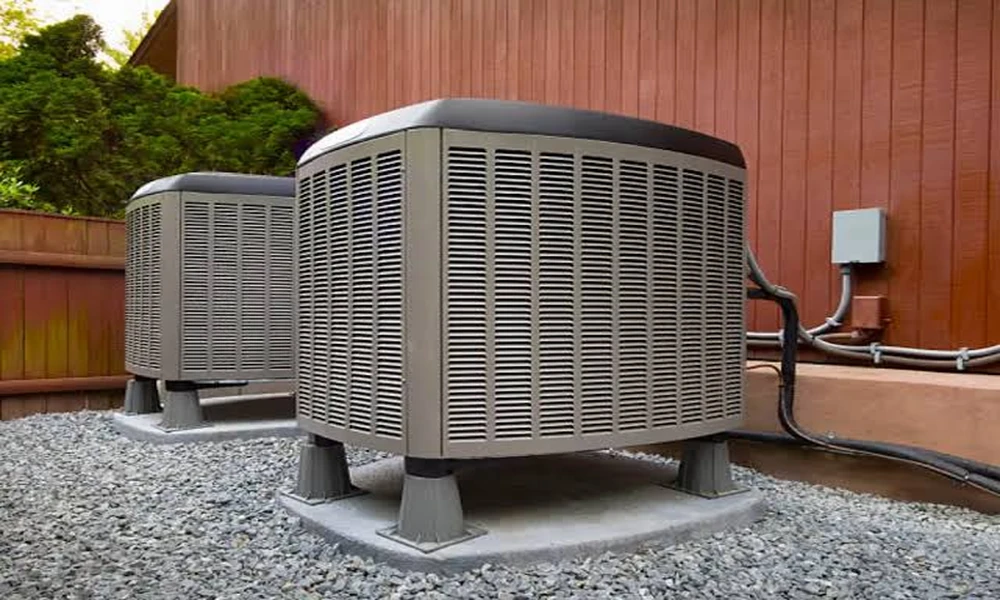
Have you noticed your heat pump vibrating or making unusual noises when running at lower speeds? It might seem strange because slower operation should generally be quieter.
However, certain mechanical and airflow issues can become more noticeable when a heat pump runs at reduced capacity. Understanding these causes can help you prevent bigger problems and keep your home comfortable.
Loose Components Can Cause Unusual Vibrations
One common reason for low speed vibration is loose hardware. Heat pumps contain several moving parts, including fan blades, motor mounts, panels, and compressor components. If screws, brackets, or mounting bolts become loose, even minor movement can create noticeable vibrations.
At lower speeds, these vibrations may produce a humming, rattling, or buzzing sound. Checking for loose exterior panels and visible debris can help, but internal components should be inspected by a professional.
Fan Motor And Airflow Problems
Variable speed heat pumps adjust their fan speed according to heating or cooling demand. However, a worn motor bearing, unbalanced fan blade, or dirt buildup can interfere with smooth operation.
At certain speeds, these issues may create vibrations that are less noticeable when the fan runs faster. Blocked filters and restricted airflow can also affect how smoothly the system operates.
Replacing dirty filters regularly and keeping the outdoor unit clear of leaves and debris can help maintain proper airflow.
Compressor And Mounting Issues
The compressor is another possible source of vibration. Worn mounting pads, deteriorating rubber isolators, or loose connections can allow normal operating movement to transfer into the unit’s cabinet or nearby structure.
Sometimes, the vibration travels through refrigerant lines or mounting brackets, making it sound louder inside the home. Persistent or worsening vibrations deserve professional attention because they may indicate mechanical wear.
Could Low Speed Resonance Be The Problem?
Sometimes, the issue is not a damaged component but resonance. Every HVAC component has natural vibration frequencies. When a variable speed motor operates at a particular speed that matches one of these frequencies, the vibration can become amplified.
This can make your heat pump shake at low speeds but operate smoothly when the speed changes. Loose ductwork, mounting brackets, or poorly secured panels can make the problem more noticeable.
When Should You Call An HVAC Professional?
Occasional operating noise is normal, but persistent shaking, grinding, loud rattling, or unusual humming should not be ignored. Avoid opening electrical compartments or attempting internal repairs yourself.
If your heat pump vibrates more than usual, HELP Plumbing, Heating, Cooling, and Drains can help Cincinnati homeowners identify the cause and restore reliable performance.
Regular maintenance and timely repairs can prevent minor vibration issues from developing into expensive equipment problems. With professional HVAC care, you can enjoy quieter operation, better efficiency, and dependable comfort throughout the year.