

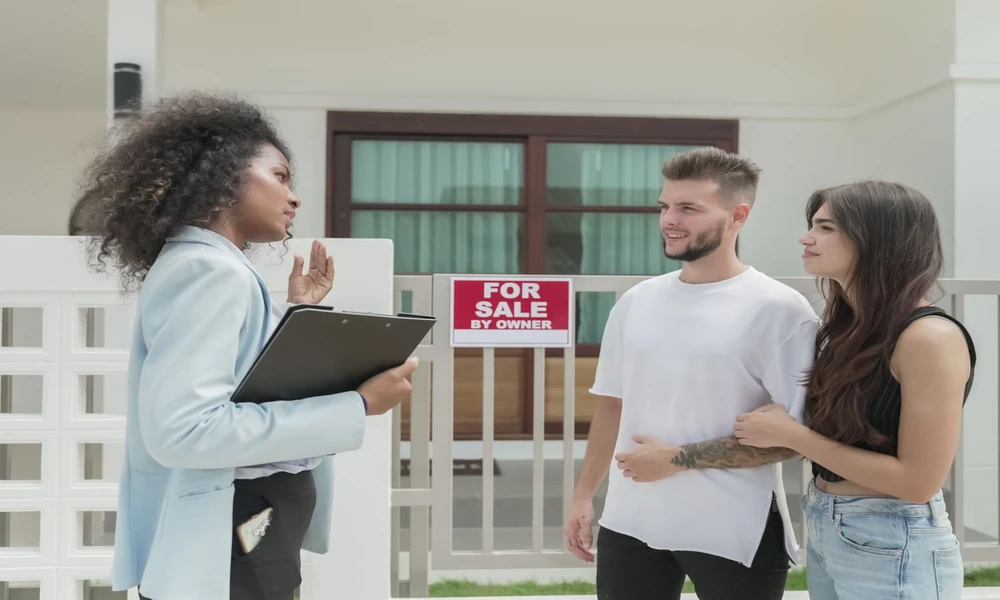
Selling property without an agent, often called for sale by owner, is more common with land than with houses. Parcels do not need staging or open houses, and many owners feel they know their ground better than any outsider. Still, going solo has real costs alongside the savings.
The Main Advantage: Keeping the Commission
Agent fees on land are frequently a larger percentage than on homes, because sale prices are lower and marketing takes longer. Skipping that fee can leave a significant sum in the seller’s pocket, which is the main reason owners choose this route.
Control Over the Process
Independent sellers decide how the land is described, which photos appear, how quickly to respond, and which offers to entertain. Some owners enjoy that freedom, especially when they have a strong sense of what makes the parcel special.
The Workload
The flip side is that every task falls on the owner. That includes researching prices, writing the listing, creating maps, answering calls and messages, showing the land, screening buyers, negotiating, drafting or reviewing contracts, and coordinating with a closing agent. For someone with a full-time job or who lives far from the property, this can become exhausting.
Limited Exposure
Agents often have access to professional listing networks and lists of active buyers. Independent sellers depend on public websites, signs, and word of mouth. That narrower reach can mean fewer offers and a longer wait.
Legal and Pricing Risks
Without professional guidance, sellers sometimes underprice good land or overprice poor land. Contract mistakes, missed disclosures, or unclear terms around access and closing costs can also lead to disputes. Hiring a real estate attorney or using a title company to prepare documents reduces this risk for a modest fee.
Where It Works Best
The independent route suits owners with simple, well-located parcels, clear title, and time to manage enquiries. It also works well when a neighbour or acquaintance is already interested. Regional guides all stress the same basics: know your value, prepare documents, and use a neutral closing agent. Owners reading about selling land in Texas without a realtor will notice the steps apply broadly wherever land is sold.
A Middle Ground
Some owners combine approaches. They list independently for a set period, then consider an agent or a direct buyer if no suitable offer appears. Others pay a flat-fee service for limited help, such as listing exposure or contract preparation, while handling everything else themselves.
Screening Buyers
Independent sellers must also judge whether a buyer is serious. Asking for proof of funds or a lender’s pre-approval letter before agreeing to a contract is reasonable. It protects the seller from tying up the land with someone who cannot complete the purchase, which otherwise wastes weeks of valuable marketing time.
Final Thoughts
Selling land without an agent can save money and give an owner full control, but it requires time, organisation, and care with legal details. Weighing those demands honestly helps owners pick the route that fits their circumstances. For something unrelated, see more here.