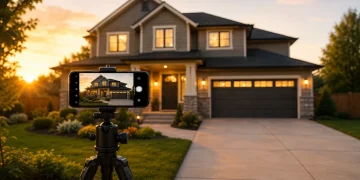

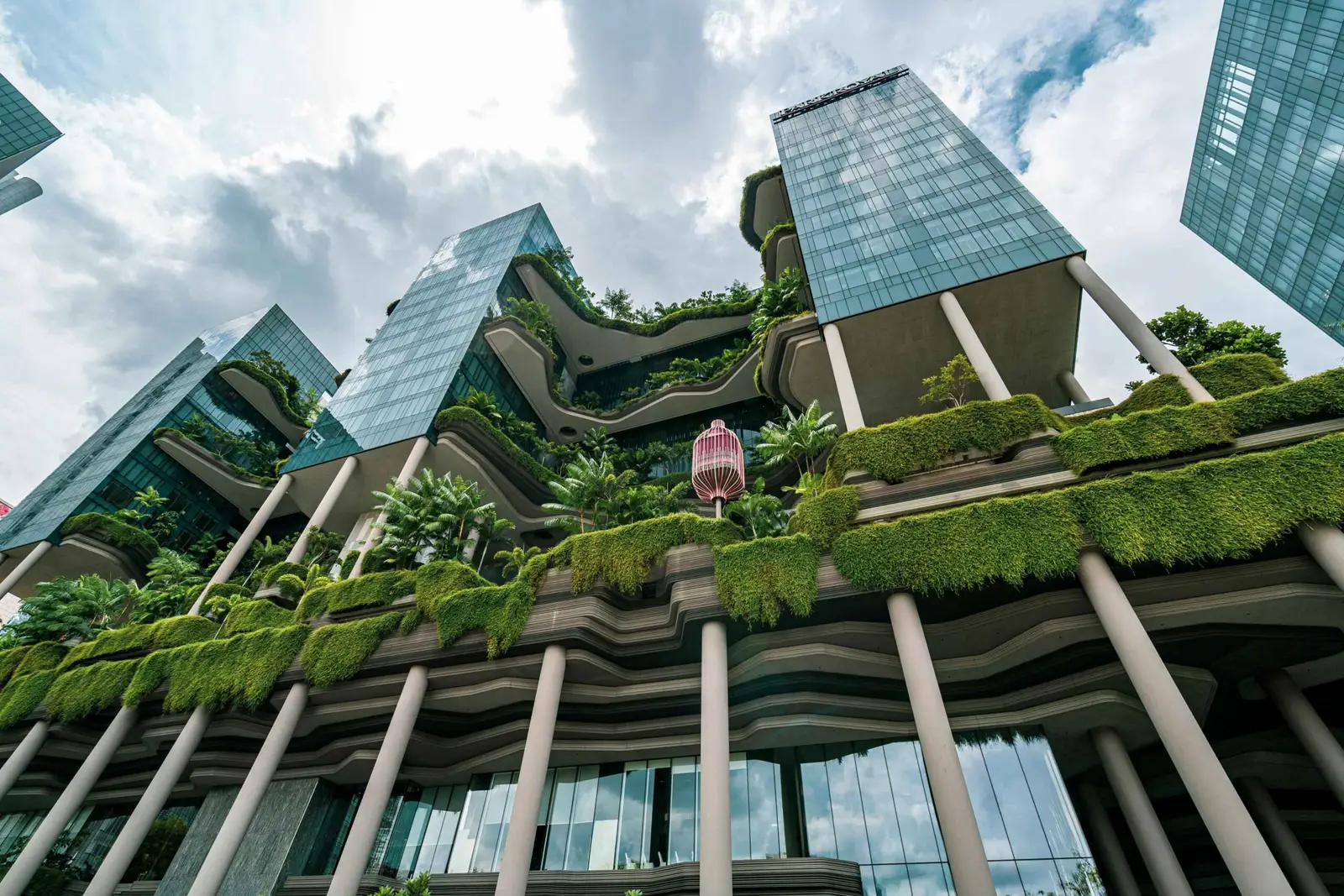
The architectural landscape across the United Kingdom is undergoing a significant transformation. Digital technologies and new approaches are reshaping how we think about creating structures. This shift comes at a crucial time for the construction industry.
Traditional methods face growing challenges. There is increasing demand for environmentally friendly materials that are both durable and efficient. The sector contributes substantially to global emissions, with cement production alone accounting for around 25%.
This reality makes forward-thinking approaches essential rather than optional. Environmental concerns, regulatory pressures, and changing client expectations are driving this change. Projects today must balance sustainability with performance and economic viability.
The UK market stands at a pivotal moment. Embracing new methodologies addresses multiple challenges simultaneously. It reduces environmental impact while improving project timelines and long-term building performance.
Key Takeaways
- The UK construction sector is experiencing a fundamental shift driven by technology and sustainability demands.
- Environmental pressures, particularly from cement production, necessitate new approaches to building.
- Client expectations are evolving to prioritise smarter, more sustainable structures.
- Forward-thinking design addresses both immediate project needs and long-term environmental concerns.
- The industry’s transformation creates significant opportunities for those adopting innovative methodologies.
- Digital technologies and advanced materials are central to improving efficiency and reducing ecological footprints.
- Regulatory changes and economic considerations make sustainability a business imperative rather than a choice.
Introduction to the New Era of Construction
A confluence of technological and environmental pressures is catalysing a new chapter for the industry. This shift moves beyond simple upgrades to established methods. It represents a fundamental rethinking of how we create our surroundings.
Digital tools are now central to the process. They enable architects and engineers to explore forms and functions that were once impractical. This digitalisation amplifies human creativity rather than replacing it.
Overview of Emerging Trends
Several powerful trends are converging. The demand for sustainability is a primary driver. Clients and communities expect structures that perform well for both people and the planet.
Regulatory frameworks are also evolving rapidly. They push the sector towards lower carbon emissions and greater efficiency. This creates a clear business case for change.
These forces are reshaping every stage of a project’s life. From initial concepts to long-term maintenance, new approaches are taking hold. The focus is on delivering long-term value, not just minimising upfront costs.
While some of these ideas have developed over years, their practical application is accelerating today. The future of the construction industry is being built now, with technology and sustainability at its core.
Innovative building design solutions for modern construction projects
The criteria for successful development have expanded dramatically in recent years. It is no longer sufficient to focus solely on cost and timeline. A new paradigm now governs how we approach creating our surroundings.
Defining the Modern Construction Paradigm
This contemporary framework integrates multiple priorities from the outset. Environmental responsibility, economic viability, and social value are balanced with technical performance. The goal is harmony, not compromise.
Architects and professionals play a pivotal role in this integrated approach. Their creative problem-solving is enhanced by data and technology. This leads to smarter processes and superior material selection.
The definition of quality has also evolved significantly. It now encompasses the entire lifecycle of a structure. Long-term performance, adaptability, and occupant wellbeing are as crucial as initial structural integrity.
Efficiency is another cornerstone of this new era. It applies to the design phase, the construction process, and the operational energy use of the finished project. This holistic view ensures resources are used wisely at every stage.
This paradigm is not a fixed destination but a continuous journey. As new technologies and materials emerge, the standards for what constitutes a successful project will continue to rise. The industry must remain adaptable to meet these evolving expectations.
Cutting-edge Materials Transforming Building Design
The development of advanced substances is creating unprecedented opportunities for structural creation and performance. These new materials address long-standing challenges while opening fresh possibilities for architects and engineers.
Self-healing Concrete and Translucent Wood
Self-healing concrete represents a significant leap in material science. It contains special bacteria that activate when cracks form, producing calcite to seal fractures automatically.
This technology dramatically extends infrastructure lifespan while reducing maintenance costs. Different approaches include polymer capsules and enzyme-based systems.
Translucent wood offers another remarkable advancement. It combines natural aesthetics with unexpected transparency while maintaining structural strength. This material provides superior thermal performance compared to traditional glass.
Aerogel and Flexible Concrete Advances
Aerogel stands out for its extreme properties. Composed of 99.8% air, it delivers the lowest thermal conductivity available. This makes it invaluable for energy-efficient structures.
Flexible concrete variants introduce resilience to traditionally rigid materials. They enhance safety in seismic regions where conventional concrete’s brittleness poses risks.
Some flexible concrete formulations use fly ash waste, addressing both performance needs and sustainability goals. This approach repurposes industrial byproducts while eliminating cement.
These cutting-edge materials demonstrate different innovation pathways. They range from biological integration to structural modification and extreme engineering.
Digital Technologies Revolutionising Construction
Construction practices are being revolutionised by a new wave of digital platforms and data-driven systems. These tools transform how teams coordinate complex undertakings from conception to completion.
Building Information Modelling and AR/VR Integration
Building Information Modelling (BIM) creates digital representations that mirror physical environments. These virtual spaces function as central knowledge resources filled with critical information.
BIM fosters collaboration between architects, planners, and engineers. It ensures greater accountability and promotes sustainable practices. This is particularly important following the Building Safety Act.
Augmented and virtual reality technologies enhance stakeholder engagement. Over 35% of architectural professionals now use AR and VR. They provide immersive 3D demonstrations early in the design stage.
Integrating Digital Twins and IoT
Digital twin technology simulates building performance before physical work begins. Architects can optimise designs for efficiency, sustainability, and safety.
The Internet of Things (IoT) transforms static structures into responsive systems. Buildings continuously optimise performance based on real-time conditions. This improves both efficiency and occupant comfort.
These technologies create synergistic value when integrated properly. BIM platforms can incorporate IoT data, while digital twins benefit from AI analysis. The result is smarter project delivery with reduced errors.
Embracing Sustainability and Energy Efficiency
Sustainability considerations now drive material selection and system integration in architectural projects. This approach addresses the urgent need to reduce the industry’s environmental impact while maintaining performance standards.
Zero-carbon Cement and Energy-saving Technologies
The construction sector faces significant challenges with cement production contributing to global emissions. Zero-carbon alternatives like Cemfree demonstrate substantial progress, achieving up to 80% carbon savings compared to traditional options.
Bio-based materials offer remarkable sustainability benefits. Mycelium insulation provides superior thermal performance while utilising agricultural waste. This material sequesters carbon and biodegrades completely.
Advanced energy-saving technologies transform building envelopes into active systems. Invisible solar cells generate power without compromising aesthetics. Ultra-white coatings deliver passive cooling that reduces mechanical energy demands.
These innovations demonstrate that environmental responsibility enhances economic efficiency. They reduce operational energy costs while minimising impact on the natural environment. The integration of such technologies represents true energy efficiency in practice.
Future Trends in Architectural Design
Architectural practice stands at a fascinating crossroads where technology and tradition converge. The profession’s evolution responds to both urgent global needs and remarkable technological possibilities. This creates exciting opportunities for those prepared to adapt.
Artificial intelligence is transforming the architect’s role rather than replacing it. AI tools enable more sophisticated design exploration and performance optimisation. This augmentation frees professionals for creative problem-solving.
Innovative Trends by Architectural Services Kent Ltd
The skills shortage presents challenges but also creates openings. Professionals developing expertise in emerging technologies will find growing demand. Forward-thinking firms like Architectural Services Kent Ltd are positioning themselves at this intersection.
Sustainability has transitioned from optional consideration to fundamental requirement. Future buildings must incorporate climate adaptation and circular economy principles. Net-zero performance becomes the baseline expectation.
Architecture is becoming increasingly data-driven. Evidence-based decisions supported by performance simulations inform traditional intuitive choices. This approach ensures better outcomes for occupants and the environment.
Prefabrication and modular methods influence design thinking. Architects must consider building systems and assembly sequences differently. These approaches enable quality control and construction speed improvements.
Biophilic principles gain prominence as wellbeing becomes central to architecture. Integrating nature supports cognitive performance and psychological health. This represents the future of occupant-centred design.
Despite technological advancement, architects remain essential throughout the building lifecycle. Their creative problem-solving and holistic thinking cannot be replicated. The profession’s future looks bright for those embracing change.
Optimising Project Efficiency with Innovative Techniques
Streamlining complex undertakings requires a deliberate focus on process improvement and technology integration. This approach enhances the entire project lifecycle, from initial concept to final handover.
The goal is to achieve superior outcomes without sacrificing quality or creative vision. Better coordination and smarter workflows lead to significant benefits for all stakeholders.
Generative Design and AI-driven Processes
Generative design programmes use algorithms to explore thousands of potential solutions based on user-defined parameters. This method saves architects considerable time by rapidly producing ideas that adhere to specific restrictions.
This technology supports creative problem-solving rather than replacing it. Architects can evaluate more options to find the optimal balance between aesthetics, performance, and regulations.
Artificial intelligence extends these benefits into scheduling and risk management. AI analyses data to improve resource allocation and identify potential issues early. This proactive way of working prevents costly delays.
Real-world Insights from Architectural Services Kent Ltd
Leading firms demonstrate the tangible value of these techniques. The team at Architectural Services Kent Ltd uses generative tools to accelerate early-stage design exploration.
This allows them to present clients with well-developed options faster. The focus remains on delivering high-quality results while controlling costs and timelines effectively.
Efficiency gains come from eliminating waste and improving decision-making. The result is a smoother construction phase and a more successful final project.
Spotlight on Revolutionary Construction Materials
Material science breakthroughs are creating a new generation of construction products with remarkable properties. These substances combine superior performance with environmental benefits that address today’s challenges.
Material Innovations Supported by Architectural Services Kent
Concrete Canvas demonstrates how format rethinking creates efficiency. This concrete fabric rolls out and activates with water, installing ten times faster than traditional methods. It protects slopes and strengthens reservoirs with unprecedented flexibility.
Richlite transforms waste paper into high-performance panels. This circular approach eliminates virgin resource consumption while matching conventional material properties. It represents sustainable thinking in material production.
| Material | Key Feature | Application | Environmental Benefit |
|---|---|---|---|
| Concrete Canvas | Flexible fabric format | Slope protection, canals | Reduced installation time and waste |
| Richlite | Paper composite | Surface panels, finishes | Waste transformation, circular economy |
| Bio-coal lining | Carbon negative | Building insulation | CO2 sequestration |
| CABKOMA reinforcement | Seismic resistance | Earthquake protection | Lightweight, reduced material use |
Sustainable Finishes and Eco-friendly Composites
Bio-coal lining represents carbon-negative construction. Buildings using this material actually remove atmospheric CO2 rather than just reducing emissions. This fundamentally changes environmental impact calculations.
Carbon fibre enables previously impossible architectural elements. Its strength-to-weight ratio permits longer spans and thinner structural designs. Thermal performance improvements come as an additional benefit.
Liquid granite simplifies finishing processes across complex geometries. Spray application ensures consistent quality while reducing labour requirements. This approach works where traditional panels struggle.
These material innovations expand what’s possible in contemporary projects. They demonstrate how substance development addresses both performance and planetary concerns simultaneously.
Expert Insights and Case Studies
Real-world applications provide the ultimate validation for theoretical advancements in the built environment. Examining completed developments reveals how new approaches deliver measurable benefits.
Case Study by Architectural Services Kent
Architectural Services Kent recently completed a complex development where digital tools proved essential. The team used advanced modelling to coordinate intricate structural elements.
This approach enhanced safety protocols and improved overall project quality. The result demonstrated superior performance compared to traditional methods.
Industry Leader Perspectives
According to a joint RIBA and Microsoft survey, 35% of architectural professionals now use AR and VR technologies. This reflects the growing importance of digital integration.
Architectural technologists bridge the gap between creative vision and practical reality. Their expertise ensures that ambitious designs become functional structures.
The industry faces a shortage of skilled professionals, creating opportunities for those with technical knowledge. Proper planning remains crucial for successful outcomes.
Conclusion
The journey through contemporary architectural advancements reveals a sector poised for remarkable evolution. The integration of advanced building materials with digital technologies creates powerful solutions for today’s complex projects. This synergy addresses the growing demand for sustainable, efficient outcomes across the construction industry.
While challenges like skills gaps persist, human expertise remains essential. Professionals must thoughtfully select technologies that suit specific contexts. This careful way of working ensures that innovation serves practical needs rather than becoming an end in itself.
The future of construction looks bright for those embracing change. These approaches are available now, ready to transform how we create our built environment. The industry moves toward more intelligent, sustainable building practices that benefit both people and planet.
FAQ
What are the main benefits of using Building Information Modelling (BIM) in a project?
BIM offers significant advantages, including enhanced collaboration between architects, engineers, and contractors. It improves accuracy, reduces errors and material waste, and allows for better project visualisation before physical work begins, ultimately saving time and costs.
How do materials like self-healing concrete improve a structure’s durability?
Self-healing concrete contains special bacteria or capsules that activate when cracks form. These agents produce limestone, sealing the crack autonomously. This process increases the material’s lifespan, reduces maintenance needs, and enhances long-term safety for structures.
What role does sustainability play in modern architecture and material selection?
Sustainability is now a core principle. It influences choices towards products with lower embodied carbon, such as zero-carbon cement, and prioritises energy efficiency. Using recycled composites and sustainable finishes helps minimise the environmental impact of new developments.
Can you explain how digital twins are used in the construction industry?
A digital twin is a virtual replica of a physical asset or process. It uses real-time data from IoT sensors to monitor performance, predict maintenance issues, and simulate scenarios. This technology optimises operational efficiency and informs decision-making throughout a building’s entire lifecycle.
What is generative design and how does it aid architects?
Generative design is an AI-driven process where designers input goals and constraints (like materials, cost, and site conditions). The software then explores countless design options to propose optimal solutions, often leading to more efficient and innovative structural forms that might not be conceived manually.
Why is aerogel considered a superior insulation material?
Aerogel boasts an extremely low thermal conductivity, making it one of the most effective insulators available. Its thin profile provides high performance without sacrificing interior space, which is crucial for meeting stringent energy efficiency standards in modern buildings.