

Key Takeaways
Evaluating water damage after a flood is crucial because hidden issues might lead to persistent problems like mold and compromised structures.
Commonly impacted areas in floods include basements, walls, and electrical systems, all of which demand thorough inspections and swift responses.
After a flood, actions like cutting off electricity, documenting damage, and clearing standing water can drastically minimize additional harm.
Experts should be notified quickly, as mold can proliferate within just 24-48 hours, and professionals possess the necessary tools to handle concealed damage effectively.
Professional flood cleaning services adhere to a systematic restoration process that features assessment, water extraction, drying, and repair work. This ensures comprehensive recovery.
Incorporating advanced technologies like infrared cameras and dehumidifiers boosts the effectiveness of flood restoration efforts.
Implementing preventive measures such as regular inspections, landscaping modifications, and sump pump installations can shield homes from future flooding threats.
How to Assess Water Damage After a Flood
Assessing water damage after a flood is essential. But where to begin? Understanding the level of damage goes beyond a mere surface check. Often, hidden damage waits intently, posing threats down the line.
Recognizing Signs of Hidden Damage
Not every instance of water damage is readily visible. The subtle signs of hidden damage can lead to major long-term concerns if not properly addressed. Watch for these clues:
-
Odor: A musty scent often signifies the presence of mold.
-
Paint and drywall: Bubbling paint or damp drywall hints at moisture lurking behind walls.
-
Flooring issues: Buckled or warped floorboards can indicate hidden water buildup.
Each indicator can serve as a breadcrumb trail, guiding homeowners toward potential unseen threats. Without addressing moisture, many clients discover they face structural vulnerabilities over time. And mold? That’s a whole other headache.
Key Areas Typically Affected by Flooding
Floodwaters are indiscriminate. They can affect several crucial areas within a home. Knowing these can empower proactive assessments:
-
Basements and crawl spaces: These areas usually flood first and often need immediate attention.
-
Walls: Water can seep into drywall, compromising its structural integrity.
-
Electric systems: Exposure to water can put electrical components at risk, creating serious safety issues.
Overlooking these regions might result in disastrous failures. It’s not solely about spotting visible damage; it’s about thoroughly comprehending each potential hazard. Such understanding aids homeowners in making informed decisions.
The Immediate Steps to Take Following a Flood
When disaster hits, it’s easy to feel overwhelmed. Yet, immediate actions are crucial. The path back to normalcy demands clear, short-term steps.
Crisis Management: What to Do First
After confirming everyone’s safety, homeowners must quickly gauge the situation. The initial steps taken can greatly impact the outcome:
-
Turn off electricity: Safety should always come first; cut off the power immediately.
-
Document the damage: Capturing photos is vital for future insurance claims.
-
Start removing water: Quickly removing standing water minimizes damage.
Every second counts. Water initiates damage the moment it intrudes on a property. Quick actions, such as initiating cleanup, can help prevent escalating problems, especially in moisture-prone areas.
Contacting Professionals: Timing is Everything
Once initial responses are complete, getting in touch with experts becomes essential. The looming question is: when should professionals be involved? The straightforward answer is: as soon as possible. Specialists in flood cleaning services in Phoenix are equipped with the expertise and tools needed to effectively manage the crisis. Here’s why timing is critical:
-
Mold growth prevention: Mold can start developing within 24-48 hours in moist settings.
-
Health and safety: Professionals can identify harmful contaminants that floodwater may contain.
-
Thorough restoration: Experts focus on managing hidden damage, not just surface repairs.
Postponements can turn a manageable circumstance into a significant crisis. Engaging professionals early on helps to significantly reduce risks. Timing plays a pivotal role in effective flood management.
How Professional Flood Cleaning Services Operate
In Phoenix, professional flood cleaning services implement efficient strategies to restore properties. But how do these services operate in practice? Their structured processes aim for effective outcomes.
A Closer Look at the Restoration Process
The restoration involves various well-coordinated stages, ensuring thorough cleanup and recovery. Here’s a snapshot of the standard procedure:
-
Assessment: A comprehensive damage evaluation informs the restoration plan.
-
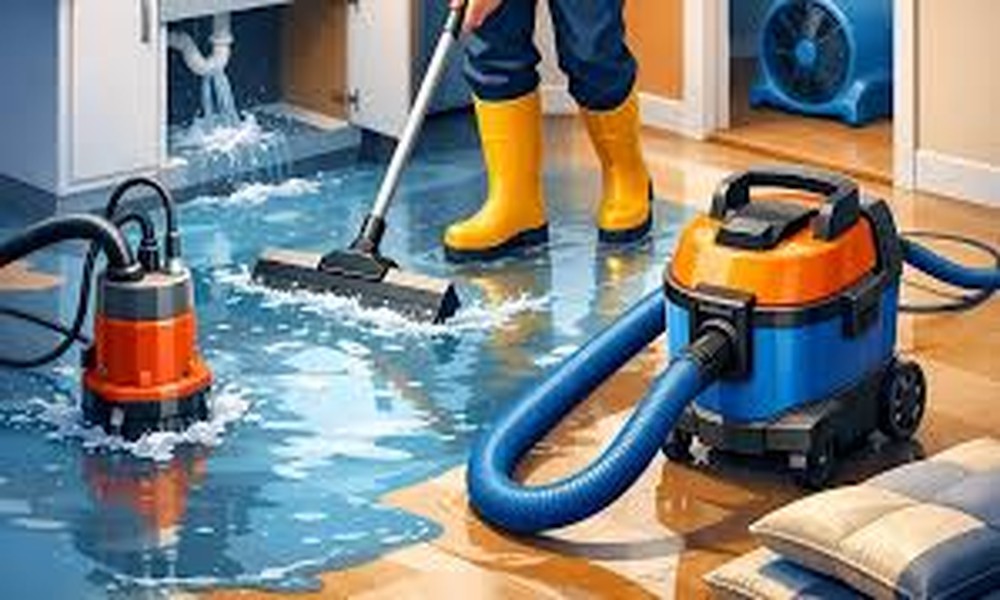
Water extraction: Heavy-duty pumps and vacuums promptly clear standing water.
-
Drying and dehumidification: Specialized equipment dries out affected areas to stave off mold.
-
Restoration: This phase includes repairs to walls, flooring, and any impacted structures.
It’s important to note: restoration isn’t merely about cleaning. It’s about safely returning to a livable state. Each step plays a role in the larger context of getting homes back to pre-flood conditions.
Technology and Techniques Used in Water Restoration
Utilizing advanced technology distinguishes professionals in this field. The top flood cleaning services leverage high-quality equipment and tailored techniques to optimize outcomes. Consider these innovations:
-
Infrared cameras: These help detect moisture behind walls.
-
Industrial fans: High-velocity fans accelerate the drying process.
-
Dehumidifiers: These tools are key in maintaining ideal humidity levels during recovery.
This specialized approach often defines successful recovery. Relying on chance isn’t wise; that’s where professional flood cleaning comes into play.
Preventing Future Flood Damage at Home
Once the flood’s aftermath is addressed, focus shifts to preventing recurrence. Prevention is not an afterthought; it’s a vital aspect of home upkeep. What proactive measures can homeowners implement to lessen future flood risks?
Effective Measures to Safeguard Property
Implementing basic prevention strategies can be invaluable for property protection. Homeowners are advised to think about the following:
-
Regular inspections: Regular checks on roofs, gutters, and drainage systems will avert future headaches.
-
Landscaping: Modifying landscaping can redirect water away from foundations effectively.
-
Install sump pumps: Sump pumps are particularly beneficial for basements and crawl spaces.
Taking these steps doesn’t need to feel daunting. Consistent, small efforts can lead to substantial benefits in the long run. Proactive measures can effectively protect a significant investment — a home.
Long-Term Solutions for Water Management
Looking beyond immediate fixes, homeowners should embrace long-term strategies to combat flooding risks. While some solutions require investment, they yield priceless returns. Consider the following options:
-
French drains: These installations can efficiently redirect excess water away.
-
Water-resistant building materials: Investing in these during renovations can offer additional layers of protection.
-
Storm-proofing windows: These can shield homes from severe weather events.
Ultimately, understanding a property’s weaknesses leads to improved preparedness. It’s about building a resilient defense against future flooding events. Such foresight ensures that floods become an isolated event rather than a recurring concern.
“Being proactive today can save a homeowner a world of trouble tomorrow.” – Restoration Expert
Flooding has the potential to disrupt lives significantly. However, with effective strategies and professional assistance, recovery is achievable. Understanding the flood restoration process and embracing preventive measures aids homeowners immensely. In this journey, flood cleaning services in Phoenix become invaluable partners.
FAQ
What types of insurance coverage should homeowners have against flood damage?
Flood insurance is crucial for homeowners. Standard homeowners’ insurance policies generally exclude flood damage. Therefore, a distinct flood insurance policy can provide financial support for repairs and restorations required after a flood event.
How can homeowners assess if their property is at risk for flooding?
Evaluating flood risk involves assessing local flood histories and consulting FEMA flood maps. Additionally, examining landscape drainage and familiarizing oneself with regional precipitation patterns can help identify potential vulnerabilities.
Are there eco-friendly options for flood restoration?
Indeed, numerous flood restoration companies now provide eco-friendly materials and practices. From using green cleaning solutions to sourcing sustainable building materials, these methods can effectively remediate damage while lowering environmental impact.
What is the role of a flood restoration consultant?
A flood restoration consultant specializes in guiding homeowners through the recovery process. They offer expert evaluations of damage, suggest restoration strategies, and often work with insurance companies to guarantee comprehensive coverage of necessary repairs.
Can flooding affect home value?
Absolutely, homes that have experienced flooding can see a decrease in value. A history of water damage may raise concerns for potential buyers, making it essential to document and thoroughly address any damage during the restoration process.
What seasonal factors should homeowners watch for in flood prevention?
Seasonal variations, such as heavy rainfall or melting snow, can elevate flood risks. Homeowners need to remain vigilant during these times, ensuring all drainage systems operate correctly to mitigate potential flooding issues.
How does ventilation impact flood recovery in homes?
Proper ventilation is critical during recovery, aiding in drying out moisture-laden areas and diminishing the chances of mold growth. Well-ventilated spaces promote air circulation, significantly accelerating the drying process.
Are there specific local regulations regarding flood restoration in Phoenix?
Yes, Phoenix has specific regulations and codes that oversee flood restoration practices. Homeowners need to consult local guidelines and collaborate with licensed professionals who are familiar with regional requirements to ensure compliance during restoration efforts.
Useful Resources