

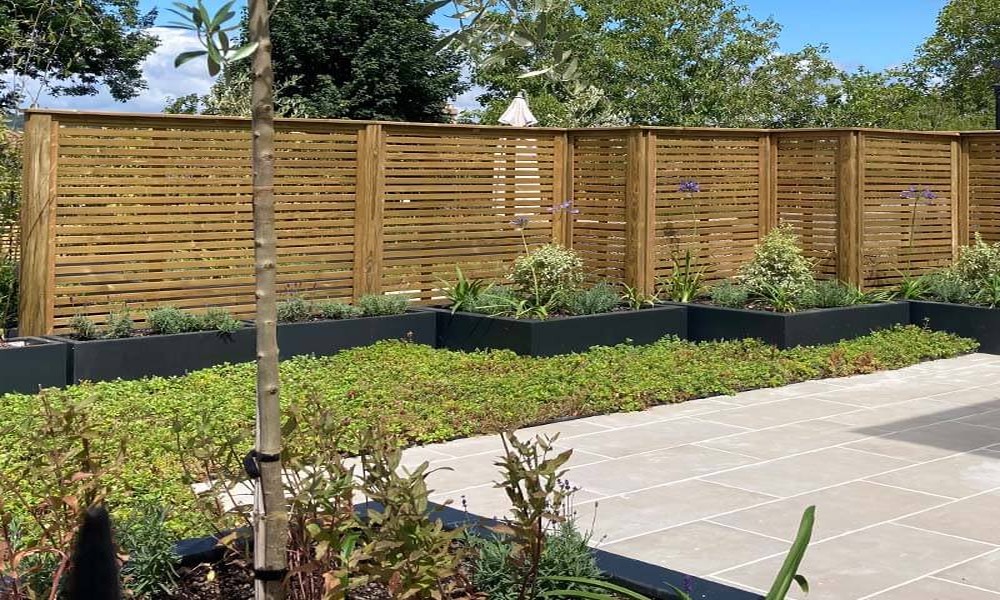
There’s been a noticeable shift in the conversations happening on fencing jobs across Leeds over the past few years.
People are no longer talking only about replacing damaged panels or tidying up old boundaries. More homeowners now want privacy first.
That’s become the starting point.
A huge number of customers contacting fencing companies near me services are specifically asking how to make their gardens feel less exposed. Some have overlooked patios from neighbouring extensions. Others back onto footpaths, public green spaces or new-build developments where upstairs windows suddenly stare straight into the garden.
You can understand it.
Gardens changed massively after lockdown periods. People started spending more time outside. Outdoor dining areas became permanent. Garden offices appeared everywhere. Families invested properly in landscaping instead of treating gardens as somewhere to cut grass every fortnight.
Once people begin genuinely using outdoor space, privacy suddenly matters.
From years on site, I’d say taller fencing requests have probably doubled compared to ten or fifteen years ago.
Not everybody wants fortress-style panels. Most homeowners still want gardens to feel open and pleasant. But there’s definitely more focus now on screening, separation and reducing that overlooked feeling.
And honestly, some modern housing estates practically force the issue.
Modern Gardens Feel More Exposed Than Older Properties
One thing I see often on local jobs is the difference between older Leeds properties and newer developments.
Traditional Yorkshire terraces and older semis usually developed natural privacy over time. Mature hedges grew in. Trees established themselves. Garden layouts softened naturally.
New-build sites are different.
You’ll often find small gardens with minimal planting, low boundaries and houses positioned closely together. Upstairs windows overlook several gardens at once. In winter especially, when leaves disappear from trees and shrubs, many gardens suddenly feel completely exposed.
That’s usually when homeowners start looking for fencing contractor near me services.
Some customers only realise how visible their garden feels after their first summer entertaining outdoors. Others notice it once neighbouring properties extend upwards or install raised decking.
It doesn’t always take much.
Even an extra foot of screening can completely change how comfortable a garden feels.
Taller Fencing Isn’t Always The Best Answer
This is where experience matters.
A lot of people assume the solution is simply building the tallest fence possible.
Sometimes that works.
Sometimes it creates more problems than it solves.
Very tall solid fencing catches enormous wind pressure, especially across exposed parts of Leeds and West Yorkshire. Gardens sitting near open fields or elevated ground take a proper battering during winter storms.
I’ve replaced plenty of failed six-foot-plus fences where the structure simply couldn’t cope with repeated wind loading.
The taller the fence, the stronger the groundwork needs to be.
That means:
- deeper post installation
- stronger concrete bases
- better spacing
- heavier rails
- improved bracing
- proper drainage around posts
You cannot install oversized fencing using lightweight methods and expect it to last.
One thing I’m occasionally blunt about with customers is this – Pinterest ideas don’t always survive Yorkshire weather.
Some of the sleek horizontal slatted systems people save online are photographed in sheltered designer gardens with almost no wind exposure. Install the same setup badly on a windy Leeds estate and it starts moving within months.
Good fencing has to suit the location first.
Slatted Fencing Has Become Hugely Popular
Without question, slatted fencing requests have exploded.
A few years ago most domestic fence installation jobs still revolved around fairly traditional overlap panels or featheredge fencing. Now many homeowners want contemporary screening that still lets light and airflow move through the garden.
Done properly, slatted fencing works really well.
It creates privacy without making gardens feel boxed in.
But there’s a catch.
Cheap slatted systems can age badly if corners get cut during installation. Uneven spacing becomes obvious immediately. Inferior timber starts twisting. Lightweight battens loosen over time.
You especially notice it on south-facing gardens where constant sunlight dries timber aggressively during summer.
Many homeowners don’t realise how much timber naturally moves through seasonal changes.
Even pressure-treated timber expands and contracts constantly. In Leeds, where gardens can go from soaking wet in January to dry heat in July, movement becomes even more noticeable.
That’s why experienced fencing contractors leave proper allowances during installation.
If somebody installs slatted panels tightly with no room for movement, problems eventually appear.
Composite Privacy Fencing Is Growing Fast
Composite fencing comes up constantly now during quotations.
Customers are drawn towards the cleaner modern appearance and the promise of lower maintenance. For households wanting privacy gardens with contemporary landscaping, composite definitely fits the look many are after.
But the reality is slightly more complicated.
Composite fencing cost still surprises many people.
Once you factor in aluminium posts, trims, fixings and labour, prices can climb quickly compared to standard timber systems. Some customers assume composite will only cost slightly more than timber fencing.
Usually it doesn’t.
That said, composite can work brilliantly in the right setting.
It performs particularly well in gardens where homeowners want long-term consistency without staining, painting or regular repairs. It also suits properties where fencing sits near patios or entertaining areas because the cleaner finish holds appearance well over time.
The important thing is proper installation.
I’ve seen expensive composite systems ruined by poor groundwork. Posts installed fractionally out of line become incredibly obvious once the boards slot in.
Composite is less forgiving than timber.
Small mistakes show immediately.
Wind Damage Is Driving More Privacy Fence Replacements
Storm patterns over recent years have changed how many homeowners think about fencing.
Strong gusty winds now seem to arrive several times every winter. Saturated ground weakens post stability, then sudden storms finish the job.
The number of people searching fence repair near me after winter storms has definitely increased.
One thing many homeowners don’t realise is that privacy fencing often fails because airflow hasn’t been considered.
Completely solid fencing creates huge wind resistance.
That’s why semi-open systems sometimes last far longer in exposed gardens. Slatted designs, hit-and-miss panels and certain decorative systems allow enough airflow to reduce pressure loading.
A fence doesn’t always need to block every single sightline to create privacy.
Careful positioning matters too.
Sometimes strategic screening around seating areas works better than fully enclosing an entire boundary with oversized fencing.
Experienced fencing services usually look at how the garden is actually used before recommending solutions.
The Soil Around Leeds Creates Hidden Problems
The ground itself causes half the issues.
Leeds gardens vary massively depending on area.
Some locations have thick heavy clay that retains water for long periods. Others contain shallow rubble fill from old developments. New-build gardens often include compacted builders’ waste beneath thin layers of topsoil.
That affects everything.
Typical post depths for standard domestic fencing really should sit around 600mm minimum in decent conditions. On exposed sites or taller privacy fencing, deeper installation often makes sense.
Yet I still see installations where posts have barely gone into the ground properly.
Then winter arrives.
Clay expands. Water sits around post bases. Wind hits saturated fencing repeatedly.
Movement starts underground long before homeowners notice visible leaning.
One thing I see often on local jobs is gravel boards installed too low. Soil builds against timber panels and traps moisture constantly.
That shortens fence lifespan massively.
Good installation isn’t glamorous. It’s mostly about groundwork.
More Homeowners Want Gardens That Feel Like Outdoor Rooms
The way people use gardens now has completely changed fencing trends.
Customers increasingly talk about “zones” within gardens.
Outdoor dining areas.
Covered seating spaces.
Firepit corners.
Garden bars.
Hot tubs.
Home offices.
Once gardens become extensions of the house, privacy naturally becomes more important.
You especially notice this in suburban Leeds where gardens aren’t huge to begin with.
People want outdoor space to feel comfortable without feeling overlooked from every angle.
That’s fueling demand for:
- taller decorative fencing
- screening panels
- acoustic fencing
- slatted privacy systems
- composite boundaries
- mixed timber and planting designs
- modern horizontal layouts
Interestingly, many homeowners now combine fencing with landscaping much more carefully.
Years ago fencing often went in last as a purely practical boundary.
Now it’s part of the design conversation from the start.
Fence Repairs Are Often Ignored Too Long
Most major privacy fence failures begin with small warning signs.
Loose movement.
Minor leaning.
Gates dropping slightly.
Cracked rails.
Soft timber near ground level.
Homeowners often ignore these issues until storms expose the full problem.
Then entire sections fail together.
From years working on fencing near me jobs across Leeds, I’d say gates are usually the first thing to reveal structural movement.
A heavy gate places constant pressure on hinge posts. Once the post begins shifting underground, the gate starts catching or dropping.
That’s the moment to act.
Leave it six more months and neighbouring panels often start moving too.
The frustrating part is many repairs remain relatively straightforward early on.
Once movement spreads across multiple posts, costs rise quickly because entire sections need rebuilding properly.
Timber Still Works Brilliantly When Installed Properly
Despite all the talk about composite fencing and modern materials, good timber fencing still performs extremely well.
The problem is poor-quality installation has become common.
Some installers rush groundwork to hit lower prices. Others use undersized posts or lightweight rails that simply aren’t suited to exposed northern conditions.
Then homeowners assume timber itself is the issue.
Honestly, some of the strongest fences I still see around Leeds are straightforward featheredge systems installed properly fifteen or twenty years ago.
Nothing fancy.
Just sensible construction.
Proper concrete depth.
Decent drainage.
Good spacing.
Strong posts.
Correct fixings.
The basics matter far more than trends.
Buyer Behaviour Around Fencing Has Changed
People research fencing far more carefully now.
Customers compare materials online before arranging quotations. They ask about treatment processes. They understand maintenance better. They look at long-term durability instead of just initial appearance.
That’s generally positive.
The best customers are usually the ones asking practical questions rather than chasing the cheapest possible quote.
Homeowners increasingly understand that poor fence installation becomes expensive later.
Many people contacting fencing contractors near me services now specifically mention longevity during conversations.
They want fencing that still looks straight after several winters.
Fair enough.
Nobody wants to repeat the same job again five years later.
Privacy Fencing Needs To Balance Appearance And Practicality
This is probably the biggest thing homeowners should understand.
Privacy fencing still needs to function properly through changing seasons.
A beautiful fence that constantly moves, rattles or warps becomes irritating very quickly.
Sometimes slightly simpler designs actually perform better long-term.
One thing I’ve learned after decades around fencing contractor work is that practical decisions nearly always age better than fashionable ones.
That doesn’t mean gardens should look boring.
Far from it.
Some modern fencing designs look fantastic when they’re installed thoughtfully and suited properly to the location.
But good fencing starts underground.
The strongest privacy fences usually aren’t the ones shouting for attention. They’re the ones quietly staying straight through wet winters, strong winds and years of seasonal movement while the surrounding gardens slowly change around them.
That’s the difference people notice after ten years, not ten weeks.