
Anyone who’s owned a fence for more than a few years knows the moment. You push the gate open one morning and it groans, sags, or scrapes against the ground in a way it never used to. Your first instinct might be to grab a handful of screws and tighten whatever’s loose. Sometimes that works. Often, it doesn’t – and here at homegenieal, we hear from readers constantly asking why their “quick fix” only lasted a season.
The truth is, most fence and gate failures aren’t really about loose hardware. They’re about the wrong hardware being used in the first place.
Why Standard Screws Fail Outdoors
Wood movement is the real culprit. Fence posts and gate frames expand and contract with humidity and temperature swings, and that constant flexing puts shear stress on whatever’s holding the joints together. A standard wood screw, especially a shorter one, just isn’t built to handle that kind of ongoing load. Over time, the wood around the threads compresses, the screw loosens, and you’re back to square one.
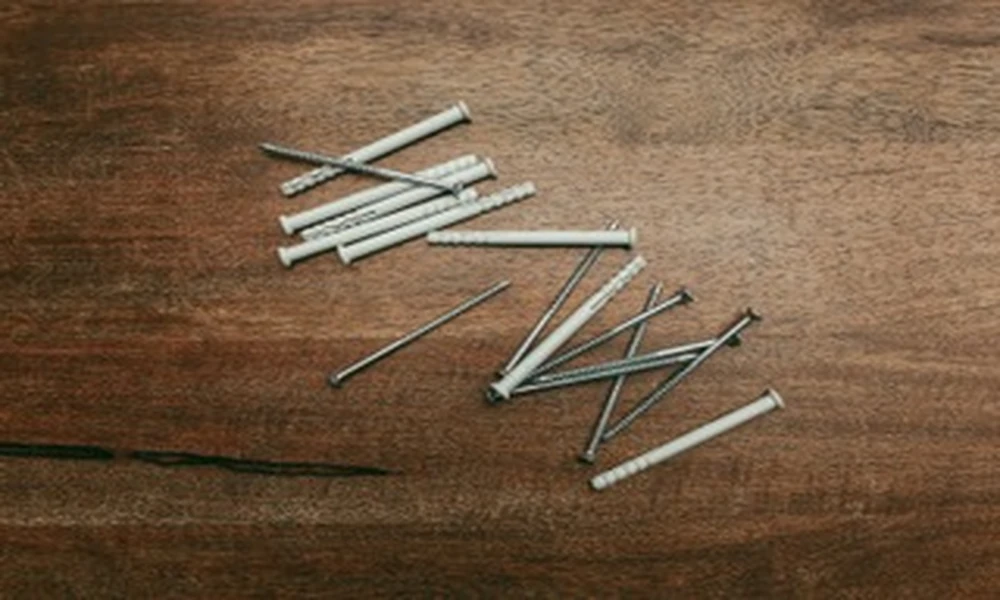
This is where lag screws come into the picture. Unlike typical fasteners, they’re designed for structural connections – thicker shanks, deeper thread engagement, and enough holding power to keep a gate frame or post-to-rail joint stable for years rather than months. If you’ve ever wondered why a fence contractor’s work holds up better than a weekend DIY repair, hardware choice is usually a big part of the answer.
Signs You Need a Structural Upgrade
A few warning signs tell you it’s time to move beyond basic screws:
- The gate sags noticeably when open, even after tightening hinges
- Fence posts wobble at the base or lean over time
- You’ve replaced the same screws more than once in the same spot
- Cracks are forming around screw holes in the wood
If any of these sound familiar, patch jobs won’t solve the underlying issue. The connection itself needs more strength than a standard fastener can provide.
How to Approach the Repair
Start With the Post, Not the Gate
Most sagging gates aren’t actually a gate problem – they’re a post problem. If the post has shifted or the ground around it has softened, no amount of hardware will fix the swing. Check for plumb first, and reset the post if needed before touching the gate hardware itself.
Reinforce Load-Bearing Joints
For rail-to-post connections, corner braces, or heavy gate frames, structural lag screws give you the pull-out resistance that regular screws lack. They’re particularly useful anywhere the wood is under constant tension, like where a gate hinge meets the post.
Don’t Skip Pilot Holes
Even with stronger fasteners, drilling a proper pilot hole prevents splitting and ensures the screw seats correctly. This is one of those small steps people skip when they’re in a hurry, and it’s often why “upgraded” hardware still fails.
A Repair That Actually Holds
For general guidance on wood movement and outdoor fastening durability, the USDA Forest Products Laboratory has published research on how lumber responds to moisture cycles, which explains a lot about why outdoor joints loosen in the first place.
At homegenieal, we tend to see the same pattern in reader questions: people replace screws again and again without addressing why the original ones failed. Swapping in the right structural hardware, checking the post alignment, and taking the time to drill proper pilot holes usually solves the problem for good – no more seasonal re-tightening required.