
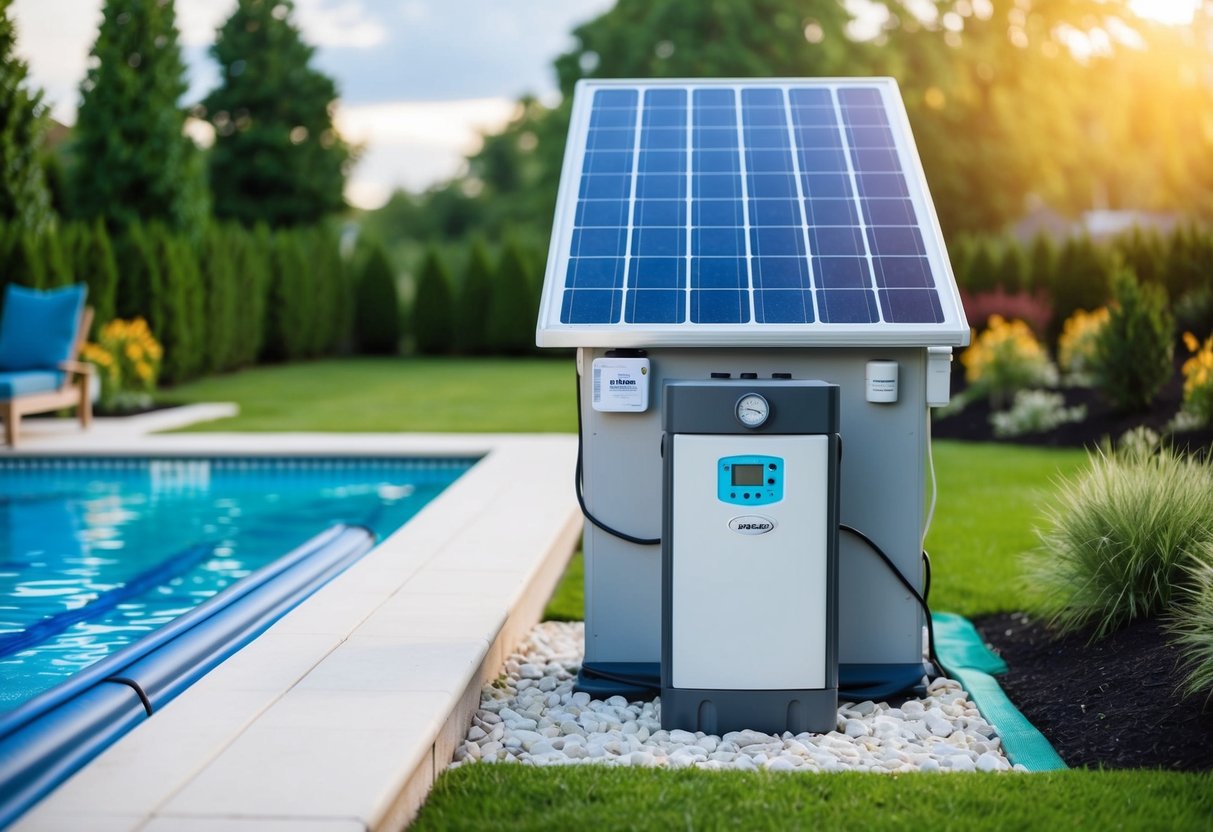
Owning a warm swimming area adds value to daily living, while energy spending often worries owners. Smart planning helps manage running costs without stress. Many owners choose pool heating central coast solutions to balance warmth control with savings. Proper system choice, daily habits, insulation methods, and timing usage all shape results. Each section offers clear guidance using simple words so decisions feel easy. With careful steps, energy waste drops quickly while comfort stays steady. These ideas fit most setups and support long-term savings without complex changes.
Choosing the right system design
System design controls how much power your setup needs daily. A properly sized unit warms water faster without waste. Oversized units draw excess power while small units run longer. Matching size to surface area, climate patterns usage frequency cuts waste. Professional assessment helps select balanced equipment that maintains a stable temperature using minimal electricity over long periods.
Using covers to retain warmth
Heat escapes quickly from open water surfaces during night hours. Covers trap warmth, reduces evaporation lowers reheating time. Using a cover daily saves energy by preventing loss. Materials like solar sheets add gentle warmth from sunlight. Regular covering keeps the temperature steady without increasing power usage across seasons.
Timing operation for lower costs
Running heaters during off-peak hours reduces power charges. Many systems allow timers that control working periods. Heating during daylight improves solar gain. Night use increases loss due to cool air. Smart timing reduces stress on equipment while cutting monthly expenses steadily.
Maintaining equipment performance
Clean filters and serviced parts ensure smooth operation. Dirt buildup forces systems to work harder, using more power. Routine checks extend lifespan while maintaining steady output. Simple cleaning tasks prevent breakdowns that raise bills unexpectedly. Well-maintained units deliver warmth efficiently throughout the year.
Improving insulation around plumbing
Uninsulated pipes lose warmth before water reaches the pool. Adding insulation sleeves limits heat escape. This step reduces reheating cycles. Proper sealing around joints also helps. Insulated plumbing supports steady temperature flow without demanding extra power from heaters.
Using natural warmth sources
Sun exposure helps raise the water temperature naturally. Positioning reflective surfaces nearby boosts warmth. Removing shade during daylight improves heating. Natural methods reduce reliance on machines. Small changes in the surroundings support energy control over time.
Monitoring energy usage regularly
Tracking bills reveals patterns of waste. Monitoring helps adjust habits early. Smart meters show daily usage. Early detection avoids long-term overspending. Awareness builds better control over monthly energy planning.
Upgrading to efficient models
Older systems consume more electricity. New models offer better output using less power. Upgrades cost initially but save later. Modern controls improve accuracy. Choosing efficient units supports long-term savings with reliable performance.
Cost awareness benefits
Understanding costs builds better control. Awareness supports smarter choices. Careful planning reduces surprises. Balanced systems deliver warmth without excess spending.
Careful planning, thoughtful habits proper equipment choices together create meaningful savings. Managing warmth does not require complex steps. Using balanced settings, insulation covers maintenance routines keep power use low. Reviewing system age and operation patterns improves control. Owners seeking dependable results often rely on pool heating central coast services that align comfort with savings while avoiding unnecessary expense over time.