
In today’s world, creating a home that is both stylish and kind to the environment is increasingly important. With rising concerns about climate change, many homeowners are seeking ways to reduce their carbon footprint. This article will explore effective strategies for enhancing energy efficiency in your living space.
Urbanist Architecture, based in London, is at the forefront of this movement. They focus on designs that not only meet the needs of the present but also consider the impact on future generations. By adopting smart design choices, residents can contribute to a healthier environment.
The London Plan 2021 highlights the necessity for innovative solutions to combat the heat island effect in urban areas. This calls for a holistic approach to home projects, ensuring that every aspect, from materials to energy sources, is thoughtfully considered.
Key Takeaways
- Implementing eco-friendly strategies can significantly lower energy consumption.
- Smart design choices are essential to mitigate urban heat effects.
- A comprehensive view of projects helps in reducing environmental impact.
- Modern homes can balance current needs with future sustainability.
- Expert guidance can transform a property into an energy-efficient haven.
Understanding Sustainable Residential Architecture
The modern quest for a home that blends style with ecological responsibility is more crucial than ever. Understanding the core concepts behind eco-friendly design can significantly enhance living spaces. This involves not only aesthetics but also the impact on the environment.
Defining Key Eco-friendly Concepts
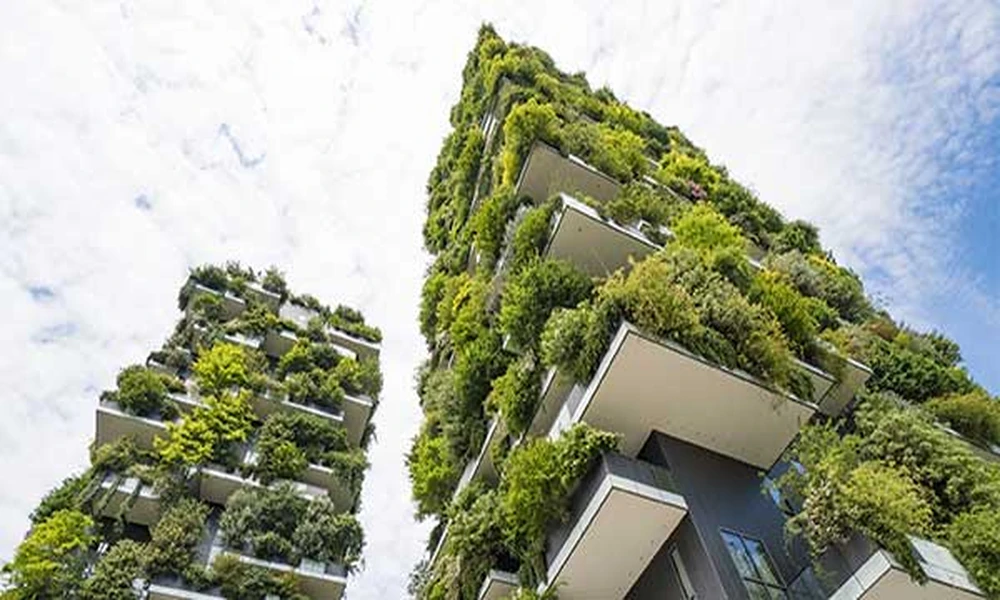
At the heart of eco-conscious design are three main elements: design, materials, and construction methods. These factors ensure that a property is future-proof and efficient. Another emerging trend is biomimetic architecture, which draws inspiration from nature to create functional homes.
Benefits of Sustainable Home Design
A home built with eco-friendly principles offers numerous advantages. It can significantly reduce energy use and bills, providing direct benefits to its inhabitants. Furthermore, buildings designed with these principles in mind promote a healthier environment, ultimately enhancing the well-being of the people living there.
| Concept | Description | Benefits |
|---|---|---|
| Design | Focus on aesthetic and functional elements | Improves living experience |
| Materials | Use of eco-friendly and recycled resources | Reduces environmental impact |
| Construction Methods | Techniques that minimise waste and energy | Enhances efficiency and sustainability |
Sustainable Residential Architecture Tips
A modern home should embody both beauty and a commitment to ecological responsibility. Clever design can minimise waste in space and materials, making every house feel comfortable and well-proportioned. This approach ensures that homes are not only functional but also appealing.
When planning a renovation project, it is essential to consider the environmental context of the site. Factors like local climate and microclimate play a crucial role in the design process. A home designed for longevity, ideally over 50 years, offers significant advantages compared to the typical lifespan of many buildings.
Designers must strike a balance between aesthetics and functionality. This ensures that the home remains a space where inhabitants enjoy living for years to come. Moreover, adapting and extending older homes can often yield better environmental outcomes than constructing new builds from scratch.
Optimising Energy Efficiency and Renewable Resources
Energy efficiency in homes is a vital consideration for modern living. By implementing smart design choices, homeowners can significantly reduce their energy consumption. This not only lowers bills but also contributes to a healthier environment.
Passive solar design is one effective strategy. Homes should be oriented with large windows facing south to capture maximum sunlight. This orientation helps to harness the sun’s heat during winter while providing natural light throughout the day.
Proper insulation in walls and roofs plays a crucial role in minimising heat loss. This reduces the need for heating and cooling systems, ultimately lowering energy use. Additionally, installing solar panels on rooftops allows homeowners to generate renewable energy, decreasing reliance on external power sources.
Natural ventilation systems enhance indoor air quality. They allow fresh air to circulate without drafts, keeping the home comfortable and free from moisture. By integrating these techniques, homeowners can create energy-efficient spaces that are both functional and eco-friendly.
Selecting Eco-friendly Materials for a Greener Build
Crafting a home that harmonises with nature while offering aesthetic appeal is essential in today’s society. Choosing the right materials is a critical aspect of any building project. The selection of materials can significantly impact both the environment and the overall sustainability of the construction process.
Utilising Natural and Reclaimed Resources
Incorporating natural materials can greatly reduce the carbon footprint of a project. Options like bamboo, cork, and reclaimed wood are excellent choices. These materials not only minimise waste but also enhance the beauty of the home.
- Natural materials such as hemp, straw, or reclaimed stone help to reduce the carbon footprint associated with construction.
- Low volatile organic compounds (VOCs) in paints and adhesives improve indoor air quality.
- Reclaimed bricks and concrete keep waste from landfills, promoting a circular economy.
Sourcing Locally to Reduce Environmental Impact
Choosing materials sourced close to the building site is another effective strategy. This practice reduces transportation emissions and supports local economies.
- Using sheep’s wool insulation or recycled blue jeans provides eco-friendly alternatives to traditional foam insulation.
- Local sourcing helps to lower carbon costs and pollution linked to transportation.
Innovative Design Concepts for Modern Homes
Innovative design concepts are transforming how homes reflect both style and environmental awareness. One such approach is the Sepia Deign, which allows homeowners to blend modern aesthetics with a timeless look.
Incorporating a unique Sepia Deign aesthetic creates a warm and inviting atmosphere. This style complements eco-friendly materials while ensuring that visual appeal is never sacrificed for environmental responsibility.
Additionally, adding a subtle Sepia tone to kitchens or utility areas enhances the character of a home. This not only focuses on energy efficiency but also allows for flexibility in design, ensuring long-term viability.
- Integrating traditional pantry spaces helps reduce food waste and preserve produce in energy-conscious ways.
- A well-planned interior design featuring Sepia can create a harmonious balance in living spaces.
- The innovative Sepia Deign concept ensures that homes remain stylish while being mindful of their environmental impact.
Sustainable Water Management and Waste Reduction Strategies
Managing water and waste effectively is crucial for creating homes that respect the environment. Implementing smart systems can significantly reduce water consumption and minimise waste, benefiting both households and the planet.
Implementing Rainwater Harvesting and Greywater Recycling
Homeowners can adopt various strategies to conserve water:
- Implementing rainwater harvesting systems allows for the collection of water for gardening or flushing toilets, significantly lowering monthly water bills.
- Low-flow toilets, showers, and taps are essential fixtures that help conserve this vital resource throughout the lifetime of the home.
- Greywater recycling systems from sinks and washing machines are safe ways to save water and reduce the overall freshwater footprint.
- Biological systems using bacteria and plants can treat wastewater, allowing it to be safely released back into the environment after use.
Minimising Construction and Household Waste
Effective waste management begins with careful planning:
- Minimising construction waste starts with selecting materials that generate less debris during the building process.
- Designing dedicated spaces for recycling and home composting helps residents manage household waste more effectively on an ongoing basis.
Conclusion
In conclusion, a commitment to energy-efficient living is crucial for future generations and our planet’s health. Integrating passive solar design, renewable energy sources, and eco-friendly materials can significantly reduce utility bills and carbon footprints.
Effective water management and waste reduction strategies are essential for creating a home that respects the environment. Collaborating with experienced professionals ensures that every project meets high standards of efficiency and environmental responsibility.
Ultimately, investing in a home that prioritises these principles promotes healthier living and long-term comfort for all residents.