
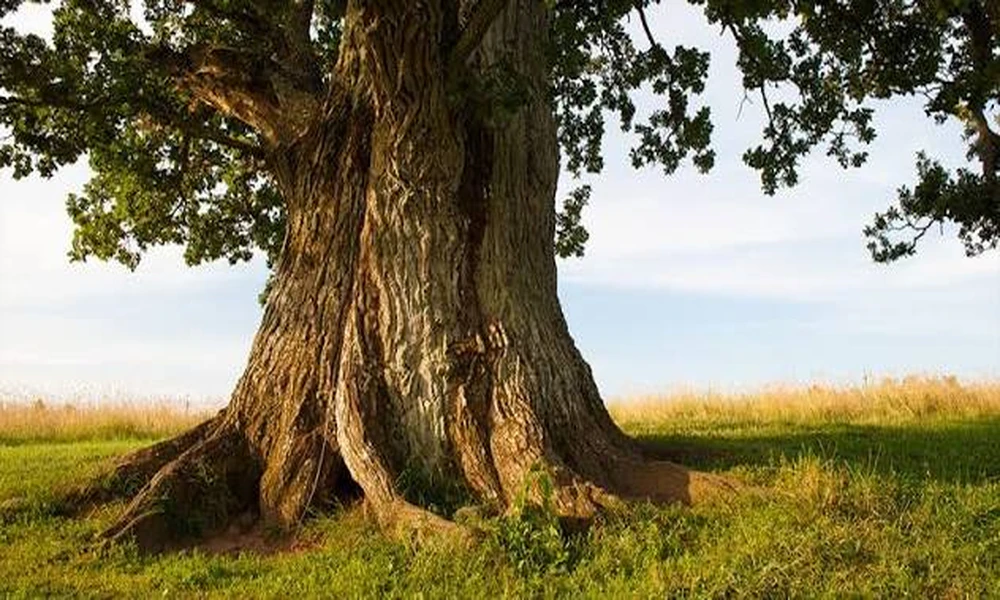
Older trees bring more than shade to an Aloma property. As they grow, their branches, roots, and surrounding vegetation can change how pests move around the home. A large canopy shades the yard, fallen leaves gather along walls and planting beds, and branches may eventually reach areas of the roof.
Those details matter when pests are using the landscape to get closer to a home. Roof rats, ants, termites, and other pests may take advantage of shelter, moisture, or access points around established trees. The team at Avata Pest Control Aloma considers both the landscape and the structure during an inspection.
When Branches Reach the Roof
Branches close to the roof give climbing rodents an easier way up. Roof rats are strong climbers and use trees, fences, and utility lines as part of their route toward an attic or soffit.
The tree doesn’t have to touch the house. A branch hanging over the roof can give rodents access, especially when an opening is nearby.
- Branches extending over or against the roof give rodents a direct bridge onto the structure.
- Gaps near soffits, vents, and roof edges are where that bridge usually leads.
- Utility lines connecting the tree canopy to the house work the same way branches do.
- Droppings or gnaw marks near attic access points are often the first sign something’s already using that route.
Trimming branches back from the structure closes off one of the easiest paths onto the roof.
Shade Changes the Ground Below
Large trees shade the ground beneath them. As a result, soil under the canopy may stay damp after rain or irrigation while the open lawn has already dried. Moist soil around a mature tree also stays covered. Leaves, mulch, and ground cover collect beneath the canopy and create places where insects can hide.
An area near the foundation that stays wet after the rest of the yard has dried can point to an irrigation or drainage issue. Adjusting irrigation or clearing back some of the vegetation can cut down on the moisture that pests rely on.
Vegetation Can Hide the Evidence
Over the years, shrubs, ground cover, mulch, and fallen leaves can fill the space around a mature tree and make the area harder to inspect. That makes early pest signs harder to spot. Mud tubes can disappear beneath mulch. Ant trails run through dense plants without anyone noticing. Rodent droppings hide beneath leaves or other debris just as easily. A clear area along the foundation makes these details easier to see and gives a technician better access to the point where the landscape meets the structure.
Trees Can Be Part of a Rodent’s Route
A tree near the house can give a rodent an easy path from the yard to the roof. A rat may move through the branches, reach the roof, enter through a gap, and travel through an attic or wall cavity from there. Scratching above a bedroom doesn’t tell you where the animal got in. Finding droppings in the garage doesn’t mean the rodent is nesting there. Checking the tree, roofline, and structure together can help trace how the rodent is getting into the home.
Keep an Eye on How the Tree Grows
A tree that was well clear of the house several years ago may have a different relationship with the structure today. Branches extend, shade spreads, and vegetation underneath thickens over time. That doesn’t mean mature trees need to come down. Regular pruning, sensible irrigation, and some open space around the foundation keep the landscape easier to monitor.
Pay attention to how changes in the tree can affect the house over time. In an established Aloma neighborhood, keeping trees, vegetation, and access points in check can make pest signs easier to spot and help limit routes into the home.